

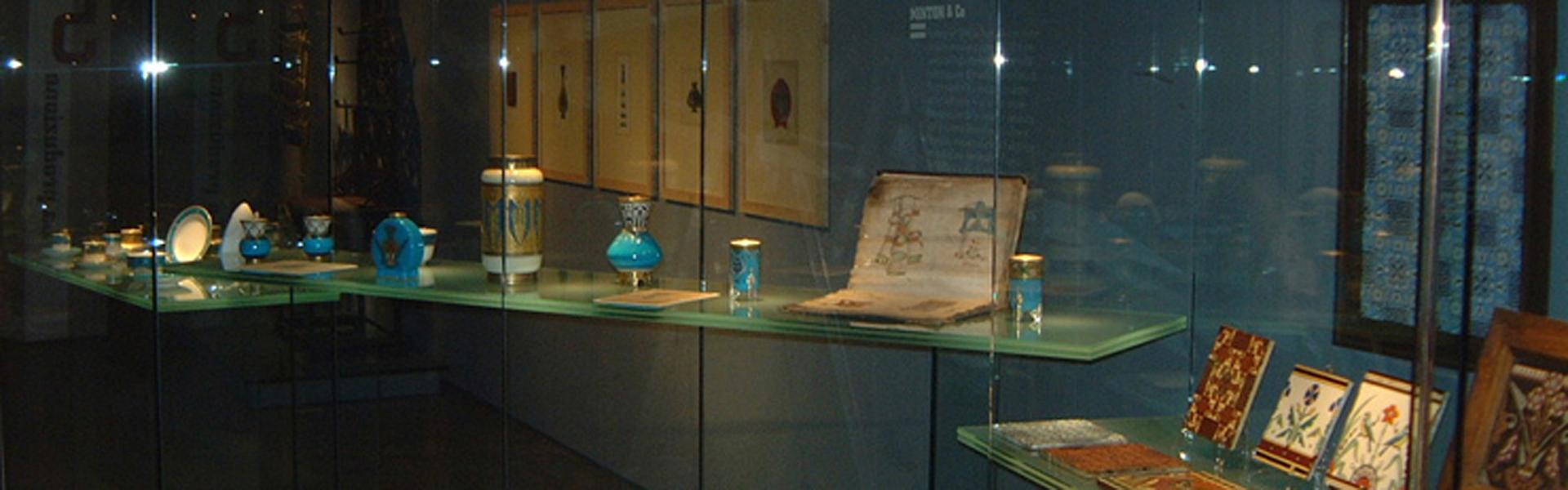
The protection of artistic objects and cultural heritage preserved within museums and art galleries involves the coordination of sophisticated strategies and technologies to ensure the maximum safety of the complex, the assets, the staff, and the visitors. Security systems applied to museums must address fire protection, anti-intrusion, evacuation, asset protection, and reliable anti-terrorism and anti-vandalism measures. In addition to advanced control software, museums rely heavily on safety glass for the creation of protective cases and display cabinets.
The Importance of Safety Glass
Around the world, all museums share a common element: whether they are civic, national, archaeological, scientific, historical, or art museums, none can function without safety glass. Glass is the only material capable of protecting what it displays. This creates a vital synergy between the glass industry and the museum system. Vetreria Re has numerous prestigious projects in the security glass sector, making it the ideal partner for creating protective display cases and cabinets, as well as glass parapets, floor-to-ceiling glazing, and glass flooring designed to bring light and openness to any environment.
The safety glass processed by Vetreria Re allows for the creation of protective cases that shield ancient jewelry, artifacts, and artworks not only from dust and light but also from vandalism and forced entry. For higher security needs, we offer impenetrable armored, bulletproof, and explosion-proof glass. Furthermore, laminated and tempered glass offer high levels of passive safety, ensuring the well-being of workers and visitors even in the event of accidental breakage. In such cases, the glass does not shatter into sharp shards; instead, the fragments are blunt and remain adhered to the structure.
Safety Glass for Museums: Key Features
Anti-vandal and anti-intrusion laminated or tempered glass is ideal for museums as it protects against thrown objects or limited aggression (according to the UNI EN 356 standard). These models are installed to delay intrusion and deter attackers.
The level of protection can be increased by adjusting the thickness and the number of glass and PVB layers used. A higher level of protection is offered by bulletproof glass (UNI EN 1063) and explosion-proof glass (UNI EN 13541), designed to resist firearm impacts or the shockwave of an external explosion. In these cases, protection increases proportionally with the complexity of the glass layers.
Beyond protection, security glass used for museum cases must provide maximum visibility and a design suited to the exhibition. Display cases are essentially meant to present objects to the public while simultaneously guarding them against wear, dust, and malicious intent. Only high-quality tempered or laminated safety glass can optimally perform both of these essential functions.