

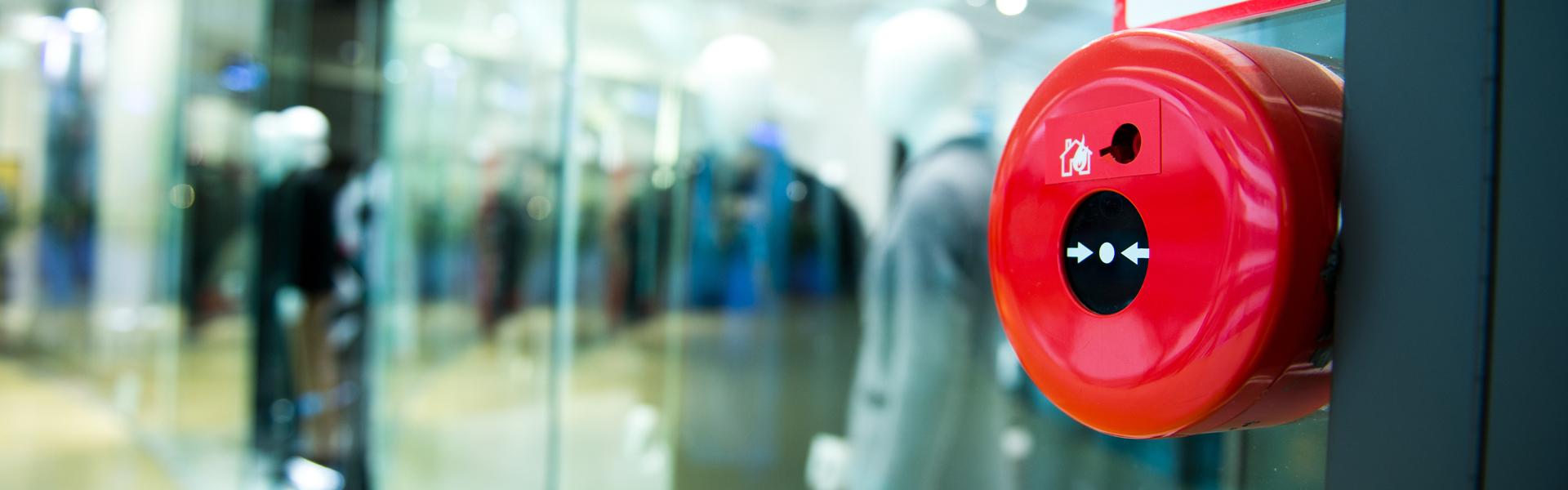
To ensure effective fire protection, especially in environments prone to flame spread, it is essential to use fire-resistant (RE) and fire-rated (REI) glazing classified according to the codes established by Italian Ministerial Decrees (D.M. 30/11/1983 and updated D.M. 16/02/2007). But what is the difference between RE and REI glass? Why choose one over the other, and which environments require the specific protection of REI fire-rated windows?
-
RE Fire-Resistant Glass (Class E): In the event of a fire, RE glass maintains its mechanical stability (R) and acts as a barrier against flames and hot gases (E). The duration of resistance is indicated in minutes (15, 30, 60, 90, 120, or 180). Following the update of D.M. 16/02/2007 and new European standards, the RE resistance class now corresponds to the E designation.
-
Safety and Containment: RE glazing is the first step in fire safety, transforming safety glass into fire-resistant glass. Its primary role is to limit the spread of fire by providing a physical barrier. However, traditional or basic fire glass can still allow heat to pass through via direct radiation, which may increase temperatures in adjacent rooms and potentially ignite nearby combustible materials, complicating evacuation and firefighting efforts.
-
REI Fire-Rated Glass (Class EI): These glass units maintain mechanical stability (R) and flame/gas integrity (E) while also providing thermal insulation (I). This ensures that the side not exposed to the fire remains cool. Under current European regulations, these are now designated as EI. This represents the highest level of fire protection for glass partitions, fire doors, and window frames.
REI fire-rated glazing combines the flame-blocking capabilities of RE glass with superior thermal insulation. This maximizes safety during evacuation by preventing burns from radiant heat. Furthermore, the insulation protects against “auto-ignition”—the spontaneous combustion of flammable items in neighboring rooms caused by extreme thermal energy transfer.
As previously mentioned, fire resistance for both RE and REI units is specified by a numerical value (15 to 180 minutes) based on laboratory testing. As the minutes increase, the overall resistance class of the certified element also increases.
For further details regarding the safety features of RE/E and REI/EI fire-resistant glass, you can contact Vetreria Re, a leader for over 20 years in the production of industrial and structural glass, safety glass, and artistic glazing.