


The design of bright and comfortable environments has always been at the heart of Vetreria Re’s production philosophy, a concrete response to one of the fundamental pillars of contemporary architecture. However, the presence of large glazed surfaces often brings a complex challenge: summertime indoor overheating. When solar radiation passes through traditional windows, an annoying “greenhouse effect” is generated, making rooms unlivable and forcing a heavy reliance on air conditioning systems. To combine visual transparency, energy efficiency, and environmental sustainability, glass technology has developed cutting-edge solutions. Installing modern solar control glass inside insulating glazing units allows excess heat to be rejected before it enters the building, ensuring excellent living comfort in every season and real energy savings.
What Solar Control Glazing Is and How It Works
Solar control glass is a high-tech product designed to regulate the amount of radiant energy passing through the glazed surface. Unlike common float glass, this solution uses an advanced physical principle to filter the light spectrum. A microscopic coating of metal oxides is deposited onto the surface of the pane, applied via vacuum magnetron processes.
These coatings are mainly divided into reflective and selective types. Reflective coatings reject a fixed percentage of radiation but can significantly reduce natural luminosity. Conversely, selective glass represents the most advanced choice for modern construction: it acts like an intelligent mirror, rejecting the invisible near-infrared wavelengths (responsible for heat) while letting visible light pass through almost unaltered. In this way, thermal panels are achieved that protect against heat without darkening internal spaces.
The Solar Factor (g) and UV Ray Protection
To evaluate the performance of a transparent solar shield, designers use a fundamental parameter: the solar factor, denoted by the letter g. This coefficient expresses the percentage of total solar energy that passes through the glass compared to the incident energy. The lower the g-value, the greater the glazing’s ability to block summer heat.
Another crucial aspect is UV glazing protection. Ultraviolet rays are primarily responsible for the fading of fine materials inside homes, such as wooden floors (parquet), sofa fabrics, artworks, and curtains. A latest-generation selective glass effectively blocks the transmission of harmful UV radiation, preserving the integrity and original coloration of furnishings over time without compromising the health of those who inhabit the spaces.
Thermal and Aesthetic Advantages for Living Comfort
Integrating these technologies into windows improves glazing efficiency from every perspective, radically transforming the daily experience inside a home or office. Living comfort is not only linked to air temperature but also to the thermal balance of surrounding surfaces and the proper management of natural light.
Savings on Utility Bills: Glazing Efficiency Against Overheating
The installation of high-performance glazing translates into immediate energy savings. During hot months, the drastic reduction in summer overheating limits the need to keep air conditioning systems running at full capacity. Since summer cooling is one of the most expensive expenditure items in a building’s energy balance, lowering summer thermal loads allows for a rapid amortization of the window costs. This lower electricity consumption leads to lighter bills and a concrete benefit for environmental sustainability, reducing the CO₂ emissions associated with energy production.
Insulating Glass Comparison: Double Glazing, Triple Glazing, and Additional Solutions
To understand the effectiveness of a glazing system, it is necessary to analyze its stratigraphic structure. Modern insulating glazing units are never made of a single pane but rather composite structures designed to maximize resistance to heat transfer. The standard configuration involves using one or more cavities between the panes, creating double or triple insulating glass depending on the project’s complexity.
Double or Triple Glazing? Insulating Glass Unit Performance
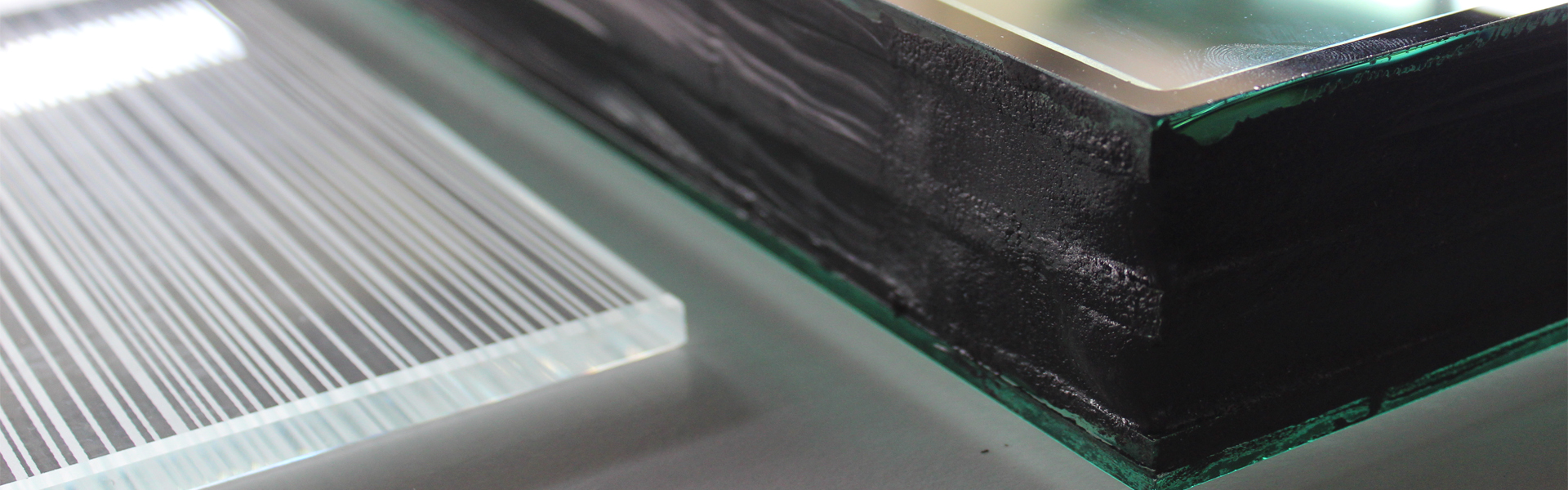
The insulating glass unit (IGU) constitutes the beating heart of a window’s insulation. It is formed by two or more glass panes separated by a spacer profile and hermetically sealed.
- Regarding double glazing, it represents the most widespread standard solution. It offers an excellent compromise between weight, thickness, and thermal insulation, especially if one of the panes receives a low-emissivity or solar control IGU treatment.
- As for triple glazing, it features three panes and two distinct cavities. This configuration maximizes the glass thermal transmittance Ug (the parameter that measures heat loss: the lower it is, the better the insulation). Triple glazing is particularly recommended for facades exposed to harsh winter climates or for ultra-high efficiency buildings, such as passive houses.
There is also an additional option that can be evaluated on top of solar control glass performance: it is indeed possible to integrate acoustic glass within the IGU to combine the effectiveness of acoustic silence with that of thermal insulation.
The Importance of Argon Gas and Selective Technologies
To further increase the insulating performance of an IGU, the dehydrated air normally present in the cavity can be replaced by a heavy noble gas. The choice of excellence for high-quality windows is using an IGU with argon gas.
Argon is a colorless, odorless, inert, and non-toxic gas characterized by a significantly lower thermal conductivity than common air. Its presence slows down convective movements inside the insulating cavity, drastically reducing heat exchange by conduction. When argon gas is combined with a low-emissivity treatment and a selective glass coating, the glazing achieves stable thermal performance all year round: it blocks solar heat in summer and retains heating warmth inside the building during winter, optimizing the overall energy balance.
How to Choose the Ideal Thermal Glazing for Your Project
Selecting the correct type of glass requires a careful preliminary analysis of the building’s characteristics. There is no universal solution: window orientation plays a decisive role. For instance, for North-facing windows where direct radiation is nearly absent, it is preferable to install a low-emissivity IGU to retain internal heat. On the contrary, for large openings facing South or West, adopting solar control glass becomes indispensable to avoid the summer greenhouse effect. This need is even more evident when designing large-scale glazing or commercial curtain walls, where uncontrolled solar gain can render internal spaces completely unusable.
Finish Types and Transparency: The Aesthetics of Modern Glass
Energy efficiency requires no compromises with aesthetics and design flexibility, which are fundamental elements for architects and interior designers. Solar control magnetron treatments can be applied to different types of glass and support extensive customization in terms of finish and transparency:
- Regarding extra-clear glass, it eliminates the typical green tint of standard float glass, ensuring maximum chromatic purity, unaltered natural luminosity, and total visual neutrality from both inside and outside.
- Concerning mirrored or colored glass, it offers additional solar shading and guarantees daytime visual privacy within environments, lending a distinctive and modern architectural character to building facades.
Each combination allows for the calibration of light and heat input, guaranteeing premium finishes and an elegant visual impact consistent with the property’s style.
Choose Tailor-Made Excellence with Vetreria Re
Do you want to transform your home or your next architectural project into an oasis of thermal comfort and brightness? Rely on the artisanal experience of Vetreria Re. We create custom-made insulating and solar control glazing, optimized to guarantee maximum energy savings and prestigious finishes. Contact our technicians today for a personalized consultation.