

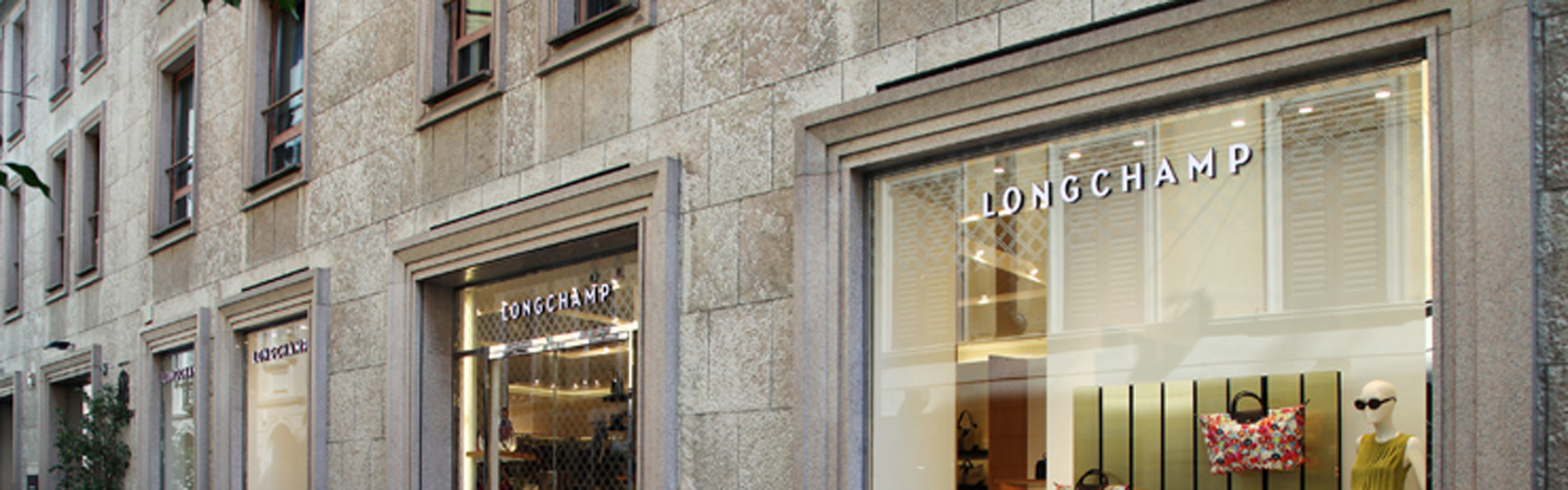
Vetreria Re, active in the glass processing sector for over 20 years and specialized in the creation of safety glass and crystals, including custom-made solutions, offers its clients self-supporting and fire-rated glazing, accident-prevention glass, bulletproof and shatterproof glass, insulating and anti-noise glass, double or triple glazed units, construction glass, flat safety glass, and much more. Founded in 1989 as a family-run glassworks, Vetreria Re has grown and expanded over the years, achieving a leading position in the industrial, civil, and professional glass market. This success is due to a vision focused on innovation, both in terms of technology and design, and collaboration with companies and professionals in the furniture, mechanical, and design sectors.
When discussing safety glass, there is a risk of significant confusion due to the vast and contradictory terminology used. One often hears about unbreakable and bulletproof glass, wired or mesh glass, armored and anti-vandal glass, accident-prevention glass, and even explosion-proof glass. But can a material as apparently fragile as glass truly guarantee such high levels of protection, defending those on the other side of the crystal from acts of vandalism, bullets, or explosions? Thanks to its natural characteristics, such as high thermal resistance, specific processing techniques, and bonding with other materials that provide greater compactness and robustness, safety glass can indeed provide very high levels of protection.
In the security sector, Vetreria Re’s product range includes armored, laminated, bonded, toughened (or tempered), shatterproof, anti-intrusion, and accident-prevention glass and crystals, as well as special safety crystals for railings, flooring, museums, and shop windows. Safety crystals are classified by specific national and European regulations, which also establish which type of glass must be used in various situations, specifying the need to use exclusively safety glass in public and/or high-traffic areas to protect the safety of people and property even in the event of accidental breakage.
The two main types of safety crystal include tempered glass and laminated glass (also called bonded glass), which differ in their manufacturing methods. Tempered glass is obtained through a specific thermal treatment, which involves placing the glass pane in a dedicated furnace to heat it to the so-called “glass transition” or tempering temperature, corresponding to approximately 640°C. The crystal is then removed and exposed to jets of cold air to rapidly cool the outer surface, which contracts, while the inner part remains viscous for longer. This treatment causes compression forces on the outer surface and tensile stresses in the inner part, inducing a state of permanent tension in the glass pane, which thereby acquires greater mechanical, bending, and thermal shock resistance.
Tempered safety crystals are robust, resistant to break-in attempts, and, in the event of breakage, crumble into tiny, non-sharp fragments. Suitable for residential contexts (for railings, fixed or sliding glass walls, shower enclosures, internal doors, tables, etc.), tempered safety glasses are also ideal for use in public buildings (museums, art galleries, exhibition spaces, banks, offices, professional studios, etc.) and commercial premises (showrooms, shop windows, discos, clubs, etc.).
The other model of safety glass is bonded or laminated crystal, consisting of two or more glass panes kept joined together by a plastic material (PVB, or polyvinyl butyral). Laminated glass also ensures high levels of passive safety because, in the event of breakage, all glass fragments remain attached to the PVB adhesive sheet, preventing injury to people and damage to objects. The level of security offered by laminated glass can be increased by increasing the thickness and number of glass panes and PVB sheets, providing accident-prevention, anti-vandalism, anti-intrusion, shatterproof, bulletproof, or explosion-proof protection.
Like tempered glass, laminated glass can be used in domestic, urban, or working contexts for shop windows, railings, canopies, stairs, partitions, and even for creating scenic glass floors. Both tempered and laminated glasses allow for extensive customization with decorations and various colors. Impact-resistant and harmless in the event of breakage, laminated or tempered safety glasses protect people and property, preventing accidents and defending against vandalism, break-in attempts, and even armed robbery. For further details on the different types of safety crystals, please refer to the dedicated sections on the Vetreria Re website. Our solutions always prioritize long-term comfort, high-end finish, and superior acoustic silence.